
As we head into 2026, the SEO landscape continues to evolve rapidly, driven by AI advancements, shifting user behaviors, and Google's ongoing algorithm refinements. Traditional tactics like keyword stuffing are long gone—success now hinges on creating valuable, trustworthy content while adapting to AI-powered search experiences.
Whether you're optimizing for Google, AI overviews, or emerging platforms, these 10 essential strategies will help you build sustainable visibility and traffic in 2026.

1. Prioritize E-E-A-T (Experience, Expertise, Authoritativeness, Trustworthiness)
Google's emphasis on E-E-A-T remains a core ranking factor, rewarding content that demonstrates real-world experience and credibility.
Showcase author bios, citations from experts, and original insights backed by data. Sites with strong E-E-A-T signals recover faster from updates and gain prominence in AI summaries.
2. Optimize for AI Search and Generative Engine Optimization (GEO)
With AI Overviews and tools like ChatGPT handling more queries, traditional rankings matter less—visibility in AI responses does.

Structure content with clear headings, FAQs, structured data, and authoritative sources to increase chances of being cited. Focus on natural language and comprehensive answers to conversational queries.
3. Focus on User Experience (UX) and Core Web Vitals
Google continues to prioritize sites that load fast, are mobile-friendly, and provide seamless navigation.

What Is User Experience? How Design Matters To SEO
Optimize for Core Web Vitals (loading speed, interactivity, visual stability) and intuitive design. Poor UX leads to higher bounce rates, hurting rankings.
4. Build Topical Authority with Content Clusters
Gone are the days of isolated articles. Create pillar pages linked to in-depth cluster content around core topics.
This signals expertise to search engines and improves internal linking. Use entity-based optimization to cover related subtopics comprehensively.
5. Integrate Video and YouTube SEO
Video is exploding in SERPs, with YouTube often ranking prominently.
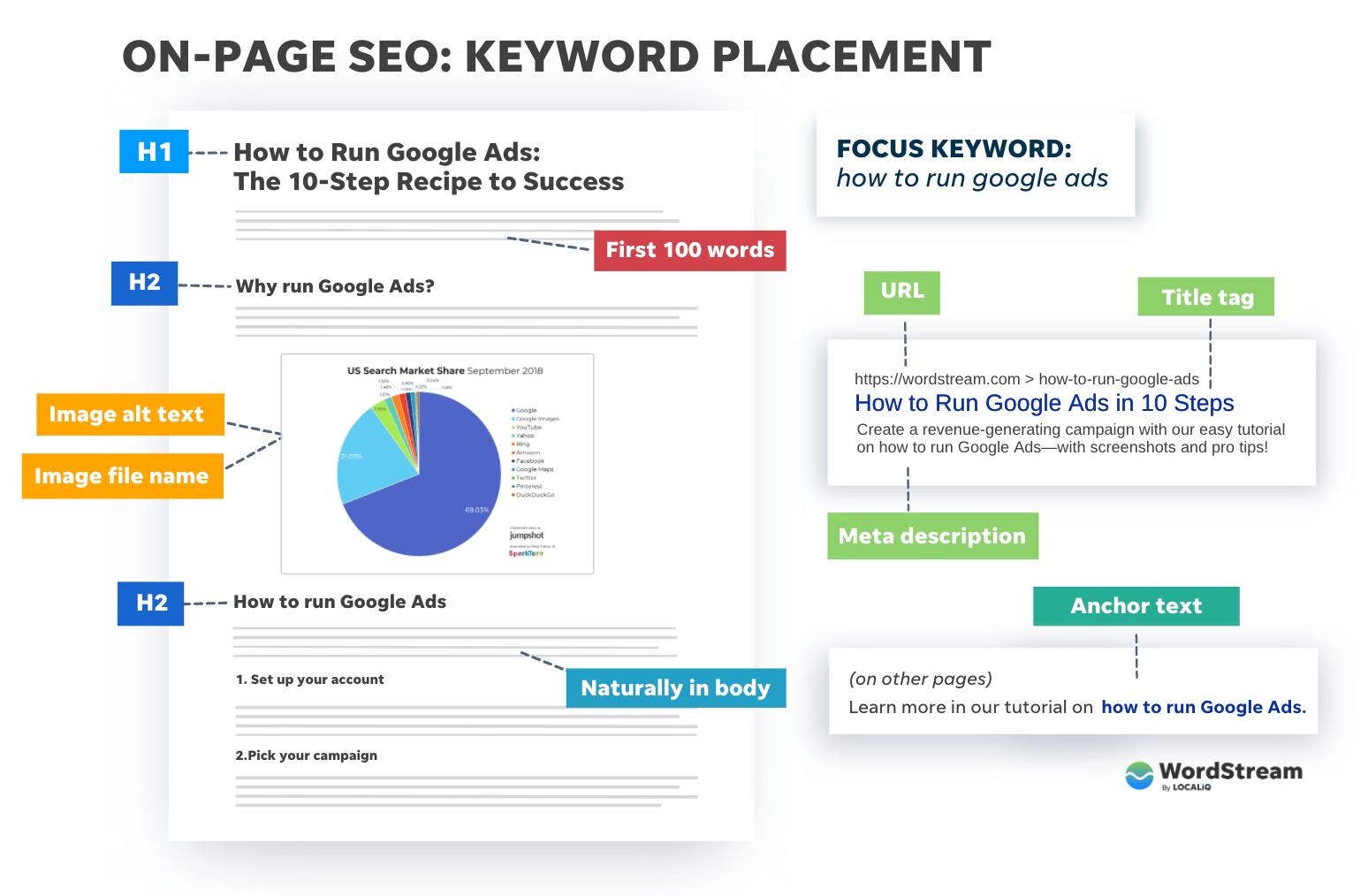
Embed videos in blog posts, optimize titles/descriptions with keywords, and create transcripts. Multimodal content (text + video) boosts engagement and authority.
6. Strengthen Brand Building and Branded Search
Strong brands with social proof and mentions perform better in volatile updates.
Encourage branded searches through offline marketing, podcasts, and reviews. Google views high branded traffic as a trust signal.
7. Leverage Structured Data and Schema Markup
Help search engines (and AI) understand your content better with rich schema for FAQs, products, articles, and more.
This enhances rich snippets and increases click-through rates, even in zero-click environments.
8. Embrace Helpful, Human-First Content
AI tools can assist, but final content must reflect genuine expertise and value.
Avoid thin or AI-spun material—focus on original research, personal experiences, and solving user pain points deeply.
9. Diversify Traffic Sources Beyond Google
Optimize for platforms like Reddit, forums, TikTok, and AI chatbots.
Build presence where users discuss topics. Community engagement drives mentions and indirect SEO benefits.
10. Regularly Update and Maintain Existing Content
Refreshing high-performing pages often yields bigger gains than new content.
Update stats, add sections, improve UX, and align with current intent. Content decay is real—proactive maintenance keeps rankings stable.
Final Thoughts
SEO in 2026 is about resilience: blending timeless principles like quality and trust with adaptations to AI-driven search. Stay disciplined, monitor performance, and prioritize users over algorithms. Implement these strategies consistently, and you'll be positioned for long-term success.